Intermittent Fasting for Weight Loss: What to Know Before You Try It
Intermittent fasting (IF) has become one of the most talked-about approaches to weight management — not because it involves a magic food, but because it changes when you eat rather than only what you eat. Here's a balanced look at how it works, what the research actually shows, and who should think twice before trying it.
What Intermittent Fasting Actually Is
Intermittent fasting isn't a diet in the traditional sense — it's an eating pattern that cycles between periods of eating and periods of fasting. The most common approaches include:
- 16:8 method: Eating within an 8-hour window each day (for example, noon to 8pm) and fasting for the remaining 16 hours, including sleep.
- 5:2 method: Eating normally five days a week and significantly reducing calorie intake (roughly 500–600 calories) on two non-consecutive days.
- Alternate-day fasting: Alternating between normal eating days and very low-calorie or fasting days.
- OMAD (one meal a day): A more extreme version where all daily calories are consumed in a single meal.
What the Research Actually Shows
Studies on intermittent fasting generally show it can be an effective way to reduce overall calorie intake — largely because a shorter eating window naturally limits opportunities to snack. Some research also points to potential benefits for insulin sensitivity and markers of metabolic health, independent of weight loss.
That said, most reviews comparing IF to standard daily calorie restriction find similar weight loss results overall. IF isn't shown to be metabolically "superior" to any other calorie-reduction approach — its main advantage is behavioral: some people find it easier to stick to a time-based rule than to count calories at every meal.
Who Should Be Cautious or Avoid It
Talk to a doctor first if you are: pregnant or breastfeeding, managing diabetes or taking blood-sugar-affecting medication, have a current or past history of an eating disorder, are underweight, are a teenager or still growing, or have any condition affected by blood sugar swings. Intermittent fasting is not appropriate for everyone, and skipping this step is one of the most common mistakes people make.
Common Side Effects When Starting Out
Headaches, irritability, difficulty concentrating, and hunger pangs are common in the first one to two weeks as your body adjusts. These typically fade as your eating pattern becomes routine — but if they don't, or if you feel unwell, that's a signal to stop and reassess, not push through.
Practical Tips If You Want to Try It
- Start gradually. Try a 12-hour overnight fast first, then slowly extend the window rather than jumping straight to 16:8.
- Stay hydrated. Water, black coffee, and plain tea are generally fine during a fasting window and can help manage hunger.
- Don't overeat during your eating window. IF only works for weight management if you're not compensating with much larger meals than you'd normally eat.
- Prioritize protein and fiber when you do eat, to stay full through the fasting hours.
Where a Daily Habit Like LipoFlow Fits
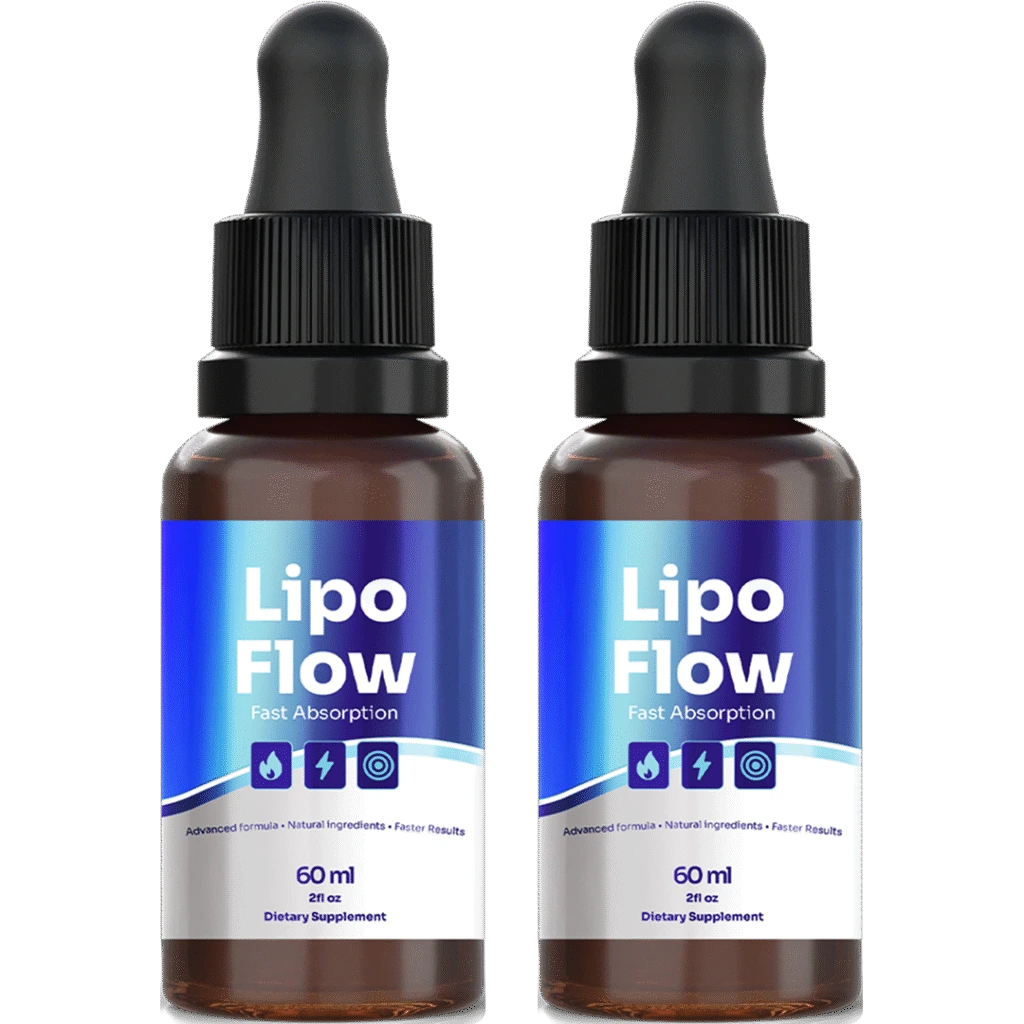
Many people who try intermittent fasting look for something simple to support energy and steady metabolism during the fasting window, without breaking a fast with food. LipoFlow's liquid drops are taken in small amounts before a meal and are formulated to support metabolism and natural energy — a habit some LipoFlow customers pair with their first meal of the day when following an eating-window approach like 16:8. As always, if you have questions about combining fasting with any supplement, check with your doctor first.
Support Your Routine, Fasting or Not
LipoFlow is designed to support metabolism and steady energy as part of your daily habits.
Order LipoFlow Now →These statements have not been evaluated by the Food and Drug Administration. LipoFlow is not intended to diagnose, treat, cure, or prevent any disease. Individual results may vary. Always consult a qualified healthcare professional before beginning any diet or exercise program or taking any dietary supplement.
Back to Blog