Signs Your Metabolism Needs Support
"Slow metabolism" gets blamed for a lot, not all of it fairly. Here's a realistic look at the actual signs worth paying attention to, and which popular claims don't hold up as well.
Signs With Real Evidence Behind Them
Persistent Fatigue Unrelated to Sleep
Feeling consistently tired despite adequate sleep can be linked to metabolic factors, including thyroid function and blood sugar regulation — worth discussing with a doctor if it's persistent, since it can also indicate other conditions entirely unrelated to metabolism.
Feeling Cold More Often Than Others
Metabolic rate is tied to heat production in the body. A lower resting metabolic rate can genuinely correlate with feeling colder than people around you in the same environment.
Difficulty Losing Weight Despite Consistent Effort
This is real, but it's worth being precise: it's more often tied to metabolic adaptation (a documented response to sustained calorie restriction) or muscle loss reducing resting metabolic rate, rather than an inherently "broken" metabolism from the outset.
Age-Related Muscle Loss
Muscle mass naturally declines with age without active resistance training, and since muscle is metabolically active tissue, less of it does genuinely correlate with a lower resting metabolic rate over time.
Signs That Are More Myth Than Evidence
Worth being skeptical of: the idea that skipping meals "shuts down" your metabolism dramatically, or that eating small frequent meals meaningfully "boosts" it — both are more myth than robust evidence at this point. Total daily intake and overall diet quality matter far more than meal timing or frequency for most people.
What Genuinely Supports a Healthy Metabolic Rate
- Resistance training — builds and preserves metabolically active muscle tissue
- Adequate protein intake — has a higher thermic effect (calories burned digesting it) than carbs or fat
- Sufficient sleep — poor sleep disrupts hormones tied to metabolic regulation
- Avoiding extreme, prolonged calorie restriction — which triggers stronger metabolic adaptation than moderate restriction
When to See a Doctor Instead of Self-Diagnosing
Persistent fatigue, unexplained weight changes, feeling unusually cold, hair thinning, or other symptoms clustering together are worth a conversation with a doctor about thyroid function specifically, rather than assuming it's a general "slow metabolism" that diet changes alone will fix.
Where LipoFlow Fits
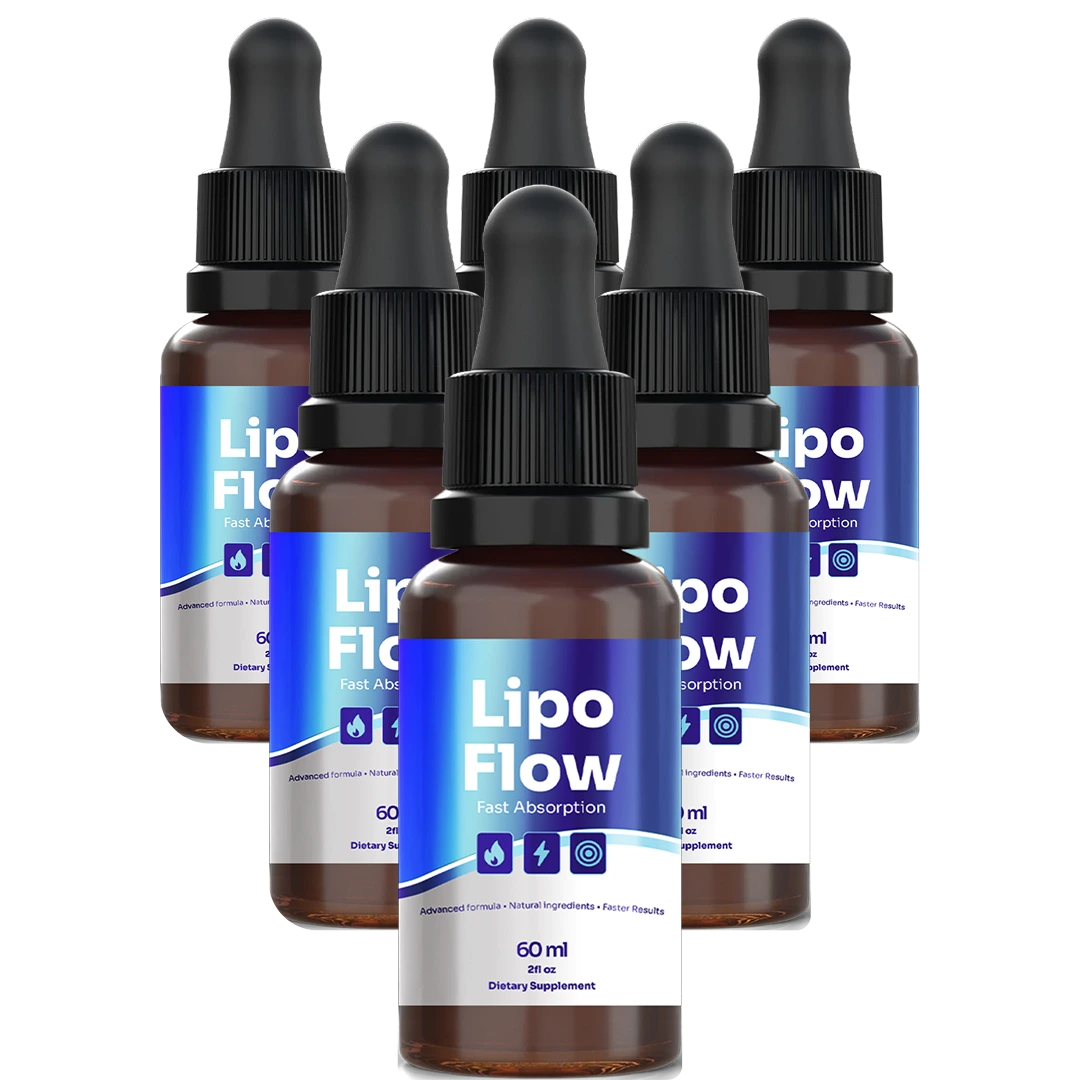
Green Tea Extract, Coleus Forskohlii, and Cayenne target metabolic rate through documented mechanisms, alongside L-Carnitine's role in fat-to-energy conversion — a reasonable complement to resistance training and adequate protein, not a replacement for either.
Metabolic Support, Grounded in Research
LipoFlow's formula targets metabolic rate through documented mechanisms — not myths.
Order LipoFlow Now →These statements have not been evaluated by the Food and Drug Administration. LipoFlow is not intended to diagnose, treat, cure, or prevent any disease. Individual results may vary. Always consult a qualified healthcare professional before beginning any diet or exercise program or taking any dietary supplement.
Back to Blog