Water Retention vs. Fat: What's Actually Happening?
Stepping on the scale and seeing a jump overnight is alarming — but it's rarely actual fat gain. Understanding the difference between water weight and fat is one of the most useful things you can know for interpreting the number in front of you.
Why This Distinction Matters
Fat gain requires a sustained calorie surplus over time — it doesn't happen overnight. Water weight, on the other hand, can shift by several pounds within a single day based on sodium intake, hormones, carbohydrate intake, and hydration status. Confusing the two leads to unnecessary panic and, sometimes, overly aggressive reactions to a completely normal fluctuation.
What Causes Water Retention Specifically
Sodium
High sodium intake is one of the most well-documented causes of water retention — the body holds onto water to maintain proper fluid balance around excess sodium.
Carbohydrate Intake
Carbohydrates are stored in muscles and the liver as glycogen, and each gram of glycogen is stored with roughly 3 grams of water. This is why cutting carbs produces a rapid initial weight drop (mostly water) and why reintroducing carbs can cause a rapid, temporary weight increase that isn't fat.
Hormonal Cycles
Estrogen fluctuations, particularly around menstruation, are a well-documented cause of temporary water retention.
Exercise-Related Inflammation
New or intense exercise can cause temporary water retention in the muscles as part of the repair process — a normal response, not a sign anything is wrong.
A practical way to tell the difference: water weight tends to fluctuate quickly (within a day or two) and often correlates with a specific cause — a salty meal, your cycle, a new workout. Fat gain trends more slowly and steadily over weeks, tied to a sustained calorie surplus.
What Actually Helps With Water Retention
- Reducing sodium, especially from processed and restaurant food
- Staying consistently hydrated — paradoxically, adequate water intake helps reduce water retention rather than worsening it
- Potassium-rich foods to help balance sodium levels
- Patience — most water-weight fluctuations resolve within days without any specific intervention
Why the Scale Alone Doesn't Tell the Full Story
This is part of why relying solely on daily scale weight can be misleading and discouraging. Tracking weekly averages, how clothes fit, and other measures alongside the scale gives a more accurate, less frustrating picture of actual progress.
Where LipoFlow Fits
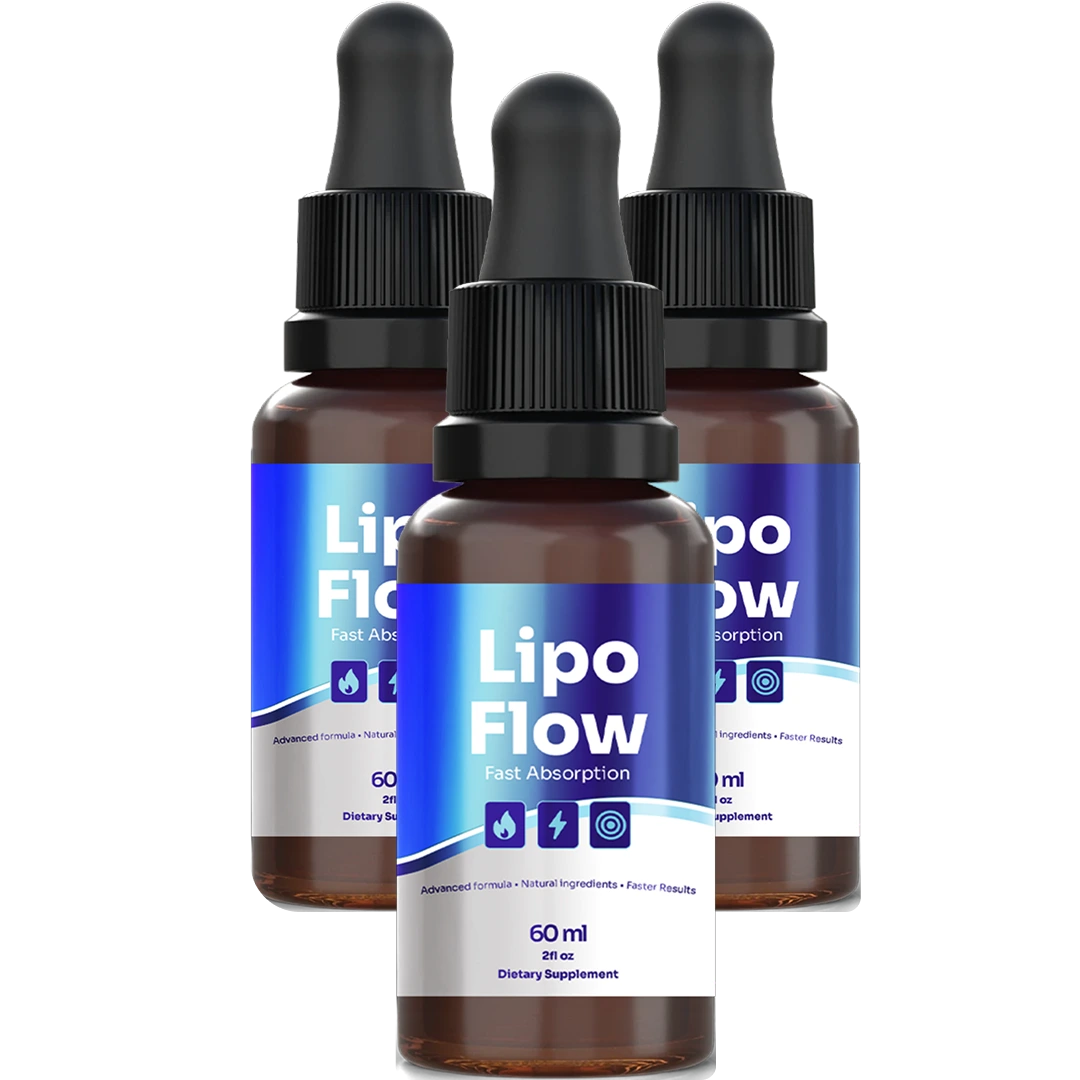
LipoFlow's digestive-comfort ingredients target the bloated, heavy feeling that often gets conflated with water-weight fluctuations, while the metabolic ingredients support genuine, gradual fat-related changes on a separate timeline. Understanding which one you're experiencing helps set realistic expectations for either.
Support for Both Sides of the Equation
LipoFlow addresses digestive comfort and metabolic support together, on their own separate timelines.
Order LipoFlow Now →These statements have not been evaluated by the Food and Drug Administration. LipoFlow is not intended to diagnose, treat, cure, or prevent any disease. Individual results may vary. Always consult a qualified healthcare professional before beginning any diet or exercise program or taking any dietary supplement.
Back to Blog